The answer is no. The organiser focuses on running the tournament while the technician handles the technology from start to finish. Here is the match-day process.
The most common question from tournament organisers is whether someone on their side needs to know how to operate VAR. The answer is no. When renting a Sol26 VAR system, the technician travels with the equipment and is responsible for the whole technical side.
The organiser only needs to focus on running the tournament. A match day follows four steps, from the technical team's arrival to the clip handover.
Step 1: set up 60 minutes before kick-off
The technical team arrives at the venue, checks lighting, raises camera masts at the sensitive corners, and sets up the control station and the referee review monitor. All equipment travels in a shock-proof flight case, so moving between venues is quick.
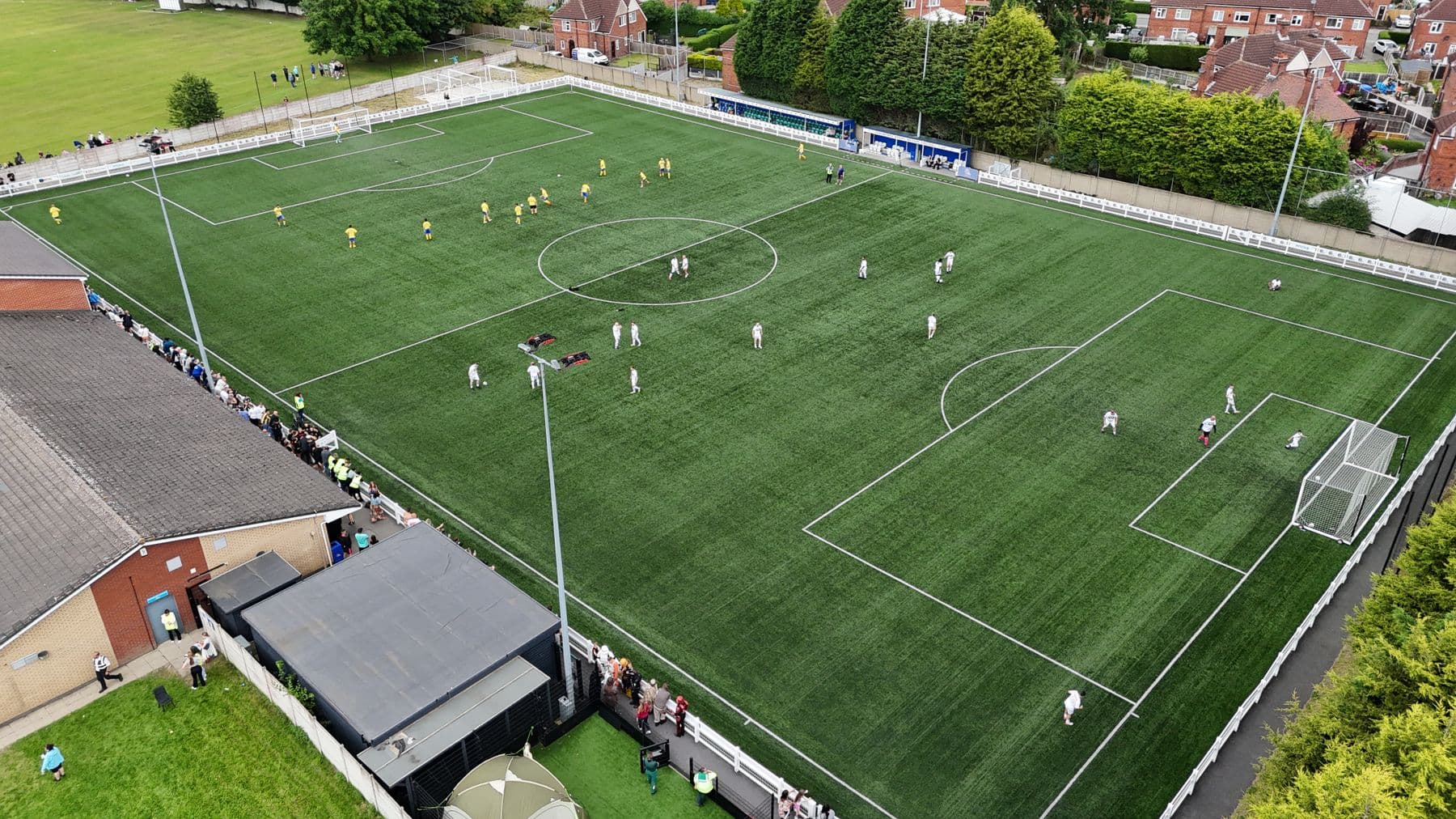
Cameras are placed on both goal lines and at diagonal corners on masts 5 to 6 m high. Before the match, the technician checks each angle to make sure the line and the penalty area are covered and blind spots are limited.
Step 2: brief the referees and test signals
The technician agrees the VAR request signal with the referees and tests the wireless intercom to make sure the link between pitch and control station is clear.
Both sides also agree the scope of review: goal or no goal, penalties, straight red cards, mistaken identity and offside. The head referee always makes the final call after viewing the review monitor.
Step 3: operate throughout the matches
During play the technician flags every sensitive moment: ball over the line, penalties, red card incidents, disputes. When the referee asks, the slow-motion replay from the best angle is on screen within seconds.
The technician uses a knob to jump to the flagged point, selects the camera, zooms on the contact area and plays it slowly. An incident is usually resolved in 20 to 40 seconds, after which the system returns to live.
Step 4: hand over data after the tournament
All VAR check clips from the day are exported in full quality for the organiser to use in media or to settle post-match complaints. Dramatic plays can also be used as tournament highlights.
Full match video from every camera is stored. When a complaint is raised, the organiser can check the incident from several angles rather than relying on each side's account.
What does the organiser prepare?
- Power at the control station area
- A spot for the review monitor at the touchline
- The match list and kick-off times to schedule set-up
- A referee contact to agree signals before the tournament
- A note in the tournament regulations telling teams that VAR is used
Rental terms are negotiated case by case, per match day or as a package for the whole tournament.
Frequently asked questions
- How early does the technical team arrive?
- The team arrives 60 minutes before kick-off to set up the cameras, control station and referee monitor.
- How long does a review take?
- Usually 20 to 40 seconds, short enough not to disrupt the rhythm of the match.
- What does the organiser receive after the tournament?
- All VAR check clips exported in full quality, for media use or to settle complaints.
- Can a tournament played at several venues rent VAR?
- Yes. The equipment is packed in shock-proof flight cases and the technical team travels to each venue according to the match list and kick-off times sent in advance.